

BPC-157 | 20mg | 3ml
BPC‑157 is a laboratory‑synthesised oligopeptide made up of fifteen amino acids, representing a specific sequence originally found within a larger protein derived from gastric tissue. In research settings, it is examined as an isolated pentadecapeptide with consistent physicochemical characteristics, which supports its use across biochemical, cellular, and preclinical experimental platforms. Within biochemical and cell‑based investigations, BPC‑157 has been observed to influence several signalling pathways, including those linked to nitric‑oxide–related processes, growth‑factor signalling cascades, and regulators of cytoskeletal dynamics. The molecular and cellular effects reported in studies vary significantly depending on the experimental model, peptide concentration, exposure time, and methodological conditions. For this reason, BPC‑157 is employed primarily as a tool for exploring peptide‑driven signalling mechanisms rather than for drawing conclusions about defined biological or physiological effects.
Strength
20mg
Concentration
6.67 mg/ml
Purity
≥99% HPLC
COA
Included
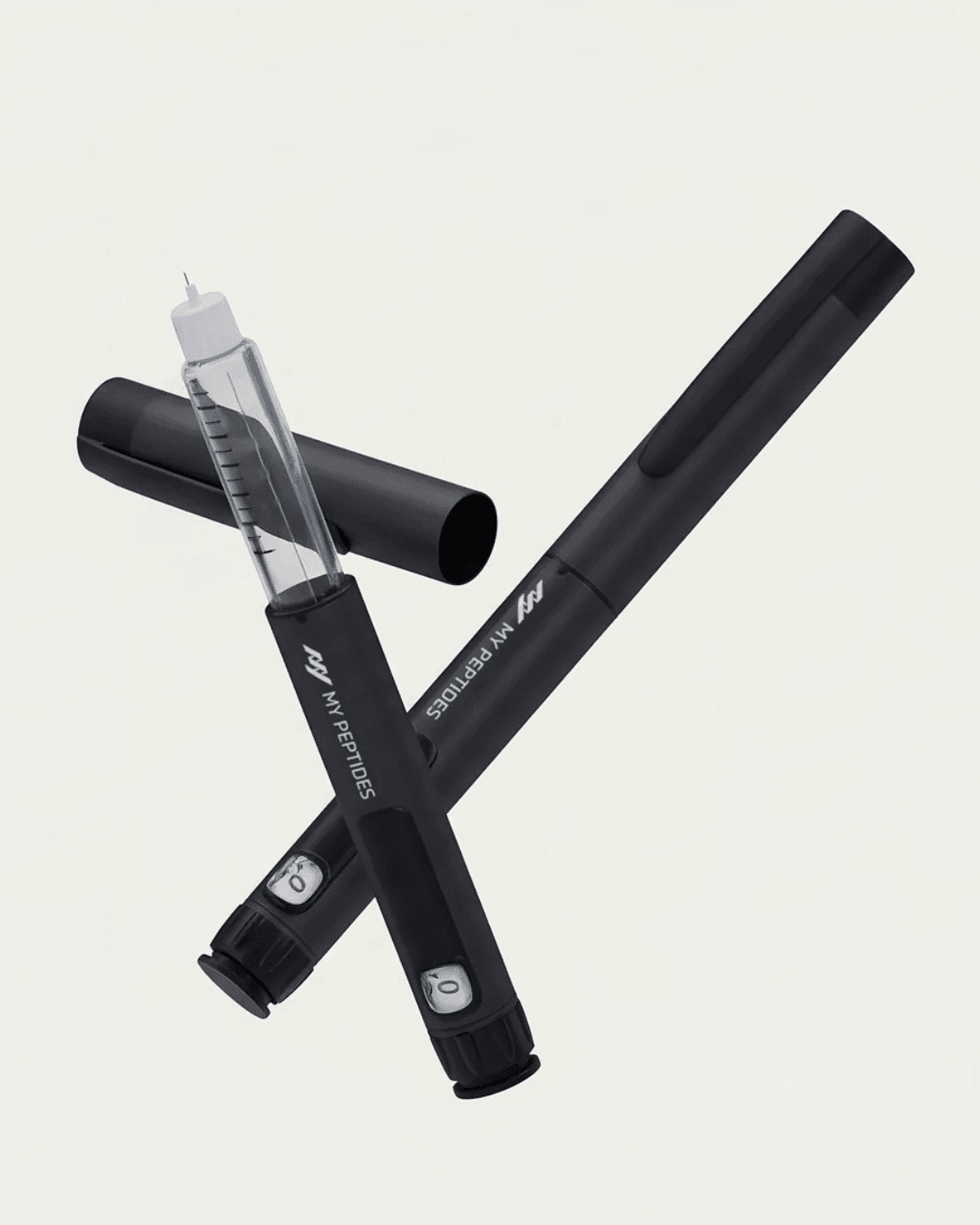
Free Reusable auto-injector pen, worth $50
A reusable pen is added free to your order, automatically.
- Same-day dispatch on orders placed before the daily cut-off.
- Free shipping over $100, tracked.
- Cold-chain packed: sealed foil pouch, ice packs, plain outer box.
- Batch-specific Certificate of Analysis included.
| Designation | Pentadecapeptide |
| CAS Number | 137525-51-0 |
| Molecular Formula | C₆₂H₉₈N₁₆O₂₂ |
| Molecular Weight | 1419.5 g/mol |
| Sequence | Gly-Glu-Pro-Pro-Pro-Gly-Lys-Pro-Ala-Asp-Asp-Ala-Gly-Leu-Val |
| Strength | 20mg |
| Concentration | 6.67 mg/ml |
| Presentation | 3ml Vial |
| Appearance | Clear liquid |
| Purity | ≥99% (HPLC) |
| Storage | Must be kept in a refrigerator at 2°C–8°C for optimal potency. |
| Certificate of Analysis | Batch-specific COA included |
How we ship it
Every pre-mixed vial ships cold from the warehouse serving your region and arrives in a plain box. Refrigerate on arrival at 2–8 °C.
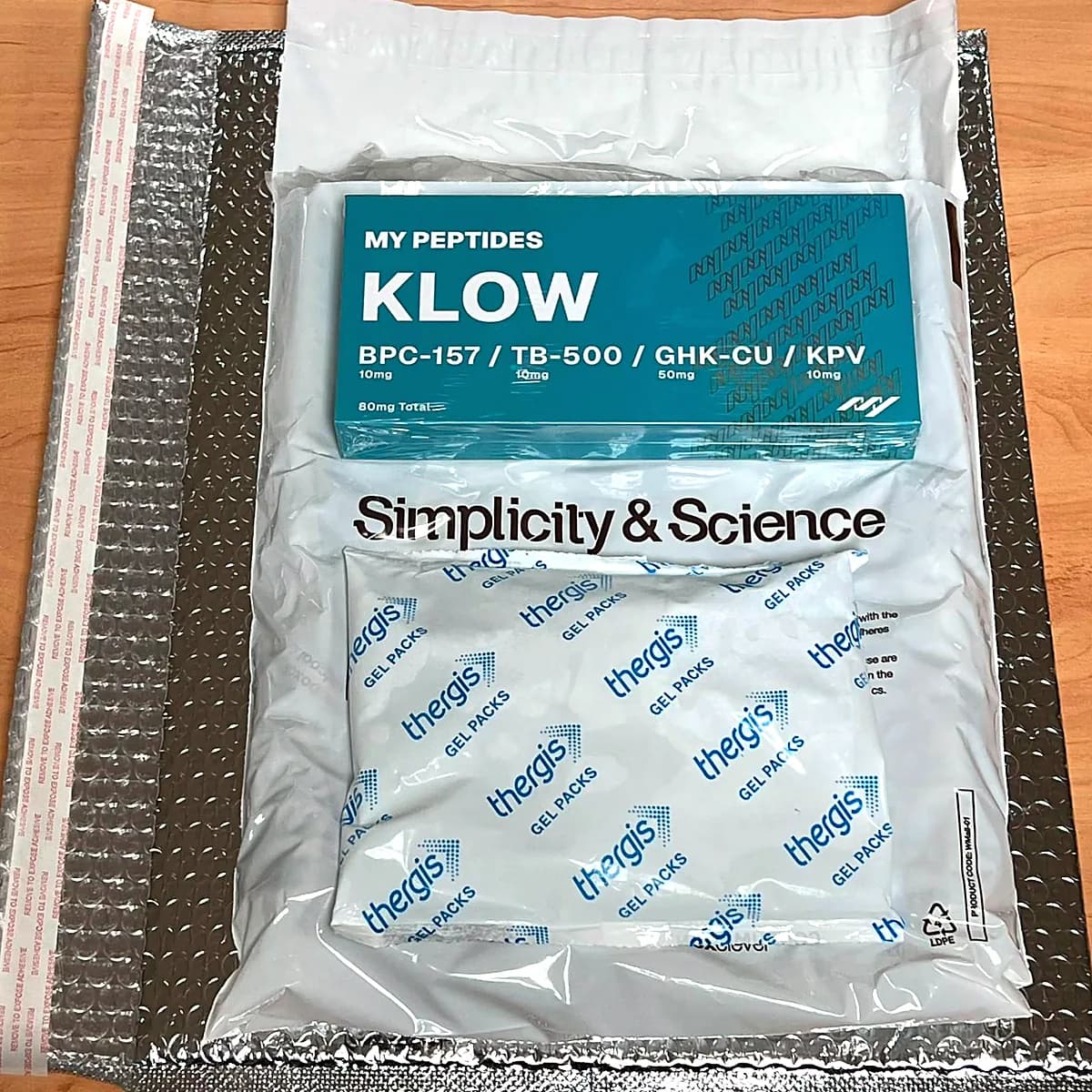
Chilled
Vials travel with frozen gel packs inside a sealed foil pouch, which holds temperature for roughly seven days — far longer than the journey needs, so the cold chain has room to spare.
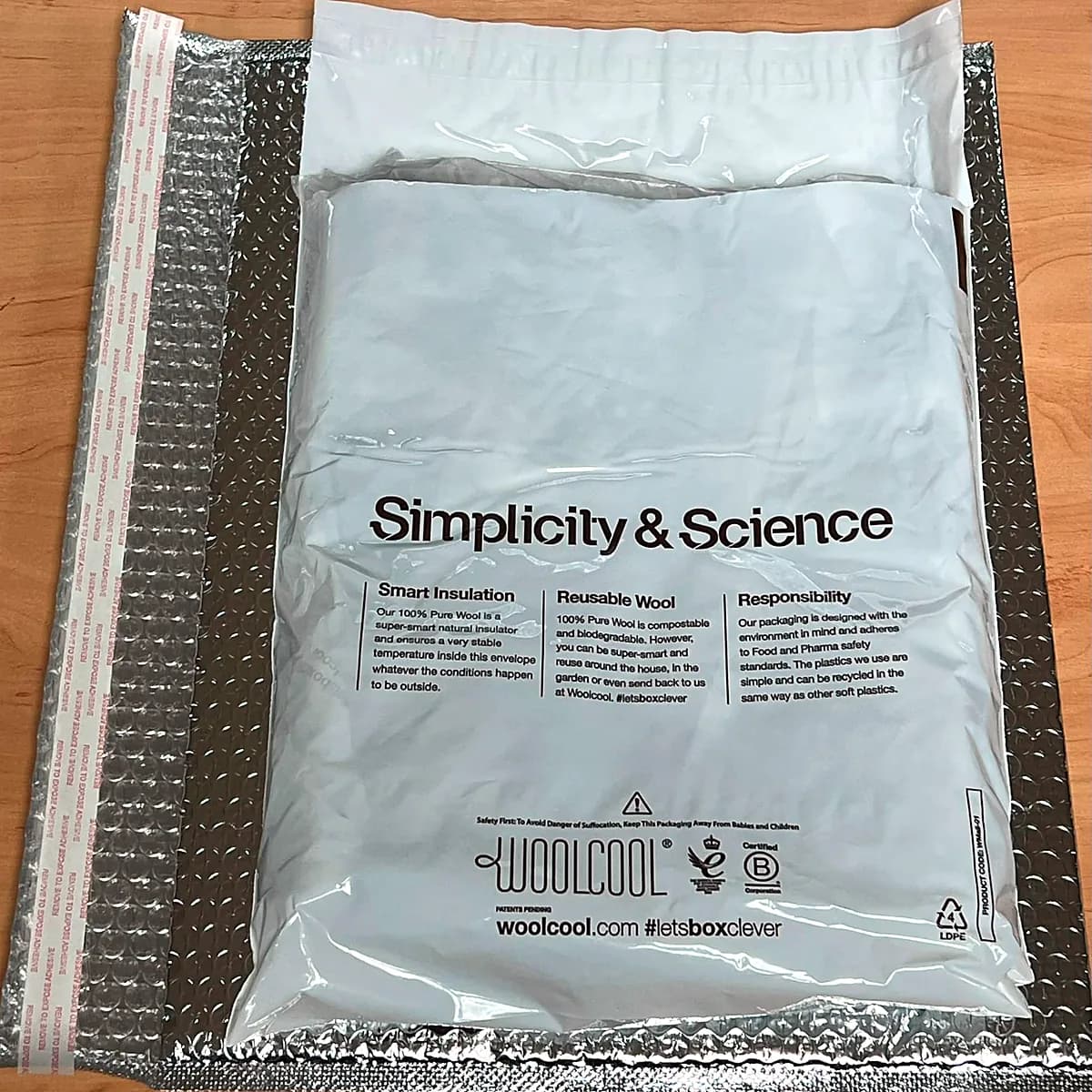
Insulated
The pouch sits inside a wool-lined envelope, so the cold chain survives a normal courier journey.
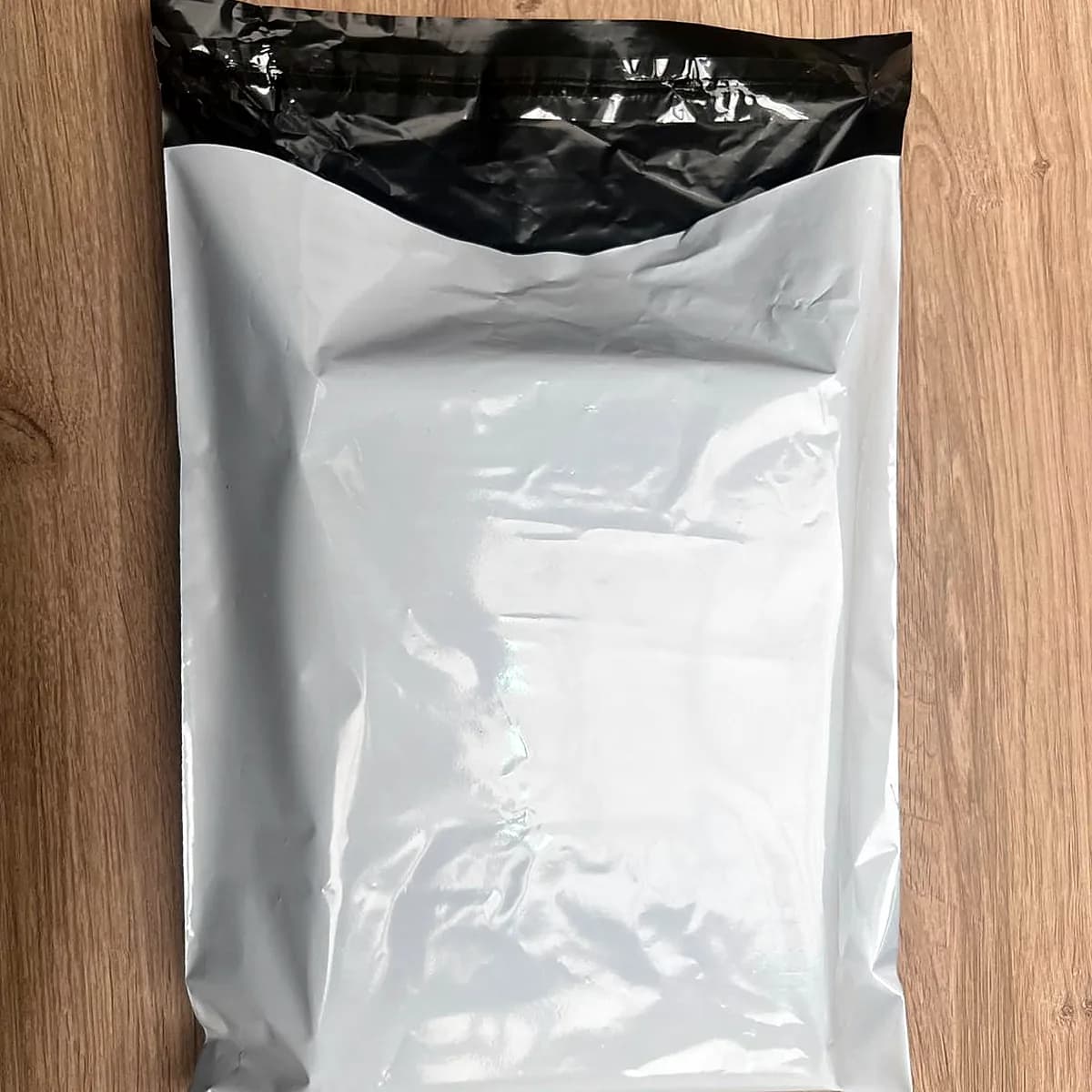
Discreet
Plain outer box with no branding and nothing on the label that names the contents.
Same-day dispatch
Order before the daily cut-off, Monday to Friday.
Free over $100
Tracked, next business day.
2–8 °C on arrival
Refrigerate as soon as the parcel lands.
BPC-157
$200.00 · Qty 1
BPC-157: sequence, format and what a US buyer should verify
BPC-157 is a synthetic pentadecapeptide — a fifteen-amino-acid chain whose sequence corresponds to a partial fragment of a protein identified in gastric juice. It is written BPC-157, BPC157, or "body protection compound 157". The molecule is well defined; what differs between vendors is purity, format, and whether the documentation can be traced to your specific vial.
Research use only. Supplied strictly for in-vitro laboratory research. This page covers composition, chemistry, format, quality documentation and storage. It does not describe dosing, administration, or use in humans or animals, and makes no therapeutic claims.
Composition and what ships
Fifteen residues, supplied pre-mixed as a solution at 20mg per vial, sealed, cold-packed, with a batch Certificate of Analysis. Synthesized in our UK laboratory; each US batch is verified in a US laboratory before release.
Because BPC-157 is a short, unmodified peptide with no unusual residues, it is straightforward to synthesize well — and equally straightforward to synthesize badly and sell anyway. Purity is where the difference shows, and purity is only meaningful as an HPLC figure attached to a named batch.
Solution versus lyophilized powder, for a US laboratory
The default in the US market is lyophilized powder. The comparison that actually matters:
| pre-mixed solution | lyophilized powder | |
|---|---|---|
| State on arrival | Ready, at a known concentration | Solid; requires reconstitution |
| Operator variance | None introduced after fill | Introduced at reconstitution |
| Storage | Refrigerated, 2–8°C | More tolerant; longer nominal shelf life |
| Shipping | Cold-chain required | Robust |
| Verification | Concentration fixed at fill and stated | Depends on diluent volume being correct |
Neither format is superior in the abstract. A solution suits work where the concentration must be known and identical between vials without a preparation step; a powder suits long storage and labs that reconstitute routinely. Choose against your protocol, not against a marketing line.
BPC-157 and TB-500 are not interchangeable
These two are frequently listed side by side and are chemically unrelated. BPC-157 is a fifteen-residue sequence derived from a gastric protein. TB-500 is a synthetic fragment of thymosin beta-4, a distinct actin-binding protein. They appear together in blends — our Wolverine stack pairs them — but a study design that names one is not satisfied by the other. If a supplier's copy treats them as substitutes, that tells you something about the copy.
There is no oral BPC-157
Capsules and oral preparations marketed under this name are common online. As a peptide of this length, BPC-157 is not stable through gastric conditions in any form that survives as the intact fifteen-residue chain. We supply a solution for laboratory research and make no claim about any route of administration, because we do not describe administration at all.
Documentation
Every vial carries a batch number tied to a COA published in our COA library. The document states the HPLC purity figure and the method used, and mass spectrometry consistent with the expected mass. If you cannot match a lot number on a vial to a document, you do not have documentation — you have a brochure.
Storage
Refrigerate at 2–8°C on arrival, keep sealed and out of light, do not freeze the solution format. Log the lot number before discarding the outer packaging.
A note on competition testing
BPC-157 appears on the World Anti-Doping Agency prohibited list. This is stated as a fact relevant to anyone whose institution or subjects fall under anti-doping rules; it is not guidance, and it does not change that this material is supplied for in-vitro laboratory research only.
BPC-157: research FAQs
- What is BPC-157?
- BPC-157 is a laboratory-synthesised pentadecapeptide, meaning it is a single chain of fifteen amino acids. The sequence corresponds to a fragment originally identified within a larger protein derived from gastric tissue, and it is studied as an isolated peptide with consistent physicochemical characteristics. This stability supports its use across biochemical, cellular and preclinical experimental platforms.
- What is BPC-157 studied for in research?
- In biochemical and cell-based laboratory studies, BPC-157 has been investigated for its interaction with several signalling pathways, including those associated with nitric-oxide-related processes, growth-factor signalling cascades and regulators of cytoskeletal dynamics. Any molecular or cellular observations reported vary with the experimental model, peptide concentration, exposure time and methodological conditions. It is used solely as a research tool for exploring peptide-driven signalling mechanisms in vitro, and no conclusions about biological effects in humans or animals should be drawn from this work.
- Is BPC-157 legal to buy?
- BPC-157 is legal to buy and possess for laboratory research purposes. It is not a licensed medicine and cannot be sold for human or veterinary consumption. Every vial is supplied and labelled strictly for in-vitro research use only.
- What purity is your BPC-157, and is it lab-tested?
- Our BPC-157 is verified at 99% or higher by HPLC analysis. The purity figure printed on each batch's Certificate of Analysis is the actual value recorded in the laboratory for that batch, not a generic marketing claim. The peptide is synthesised and dispatched from our own UK facility rather than imported or repackaged.
- Does BPC-157 come with a Certificate of Analysis?
- Yes. A batch-specific Certificate of Analysis (COA) ships with every order, documenting the identity and HPLC purity of the material you receive. Sample COAs can also be viewed in our COA library before you buy, so you can review the documentation in advance.
- How is BPC-157 supplied, stored and handled for research?
- BPC-157 is supplied as a pre-mixed solution in a sealed vial — no reconstitution step is required. Its batch Certificate of Analysis records the appearance as a clear liquid. Refrigerate at 2°C–8°C as indicated on the label, keep the vial sealed and away from light, and do not freeze it: freeze-thaw cycling can damage peptides already in solution. Drawing from the vial should follow standard aseptic laboratory practice, strictly for in-vitro research use only.
Research guides
- Research peptides, explained: what they are and how US labs use them
- BPC-157: what the pentadecapeptide is and what studies examine
- What is the Glow Stack?
- What is the Wolverine Stack?
- What is KLOW peptide?
- BPC-157 vs TB-500: how the two research peptides compare
- Pre-mixed peptides vs lyophilized powder, and why it matters
- Storing research peptides so they reach the assay intact
- Bacteriostatic water (bac water) for peptides: solution stability
- What a Certificate of Analysis actually tells you
Disclaimer: Products sold on this website are intended for research and laboratory use only. They are not intended for human or animal consumption. Purchasers must be at least 18 years of age. By using this site, you agree to our Terms & Conditions.