

TB-500 | 20mg | 3ml
TB‑500 is a synthetic peptide based on the active region of thymosin beta‑4, designed for controlled experimental use in studies focused on actin‑binding behaviour, cellular migration, and cytoskeletal organisation. It serves as a research analogue for examining how thymosin beta‑4–related sequences influence structural and motility‑associated cellular processes. In biochemical and cell‑based research systems, peptides derived from thymosin beta‑4 are evaluated for their ability to interact with G‑actin, affecting actin polymerisation and broader cytoskeletal remodelling. The responses observed in experimental models vary according to peptide concentration, exposure time, cell type, and overall study design.
Strength
20mg
Concentration
6.67 mg/ml
Purity
≥99% HPLC
COA
Included
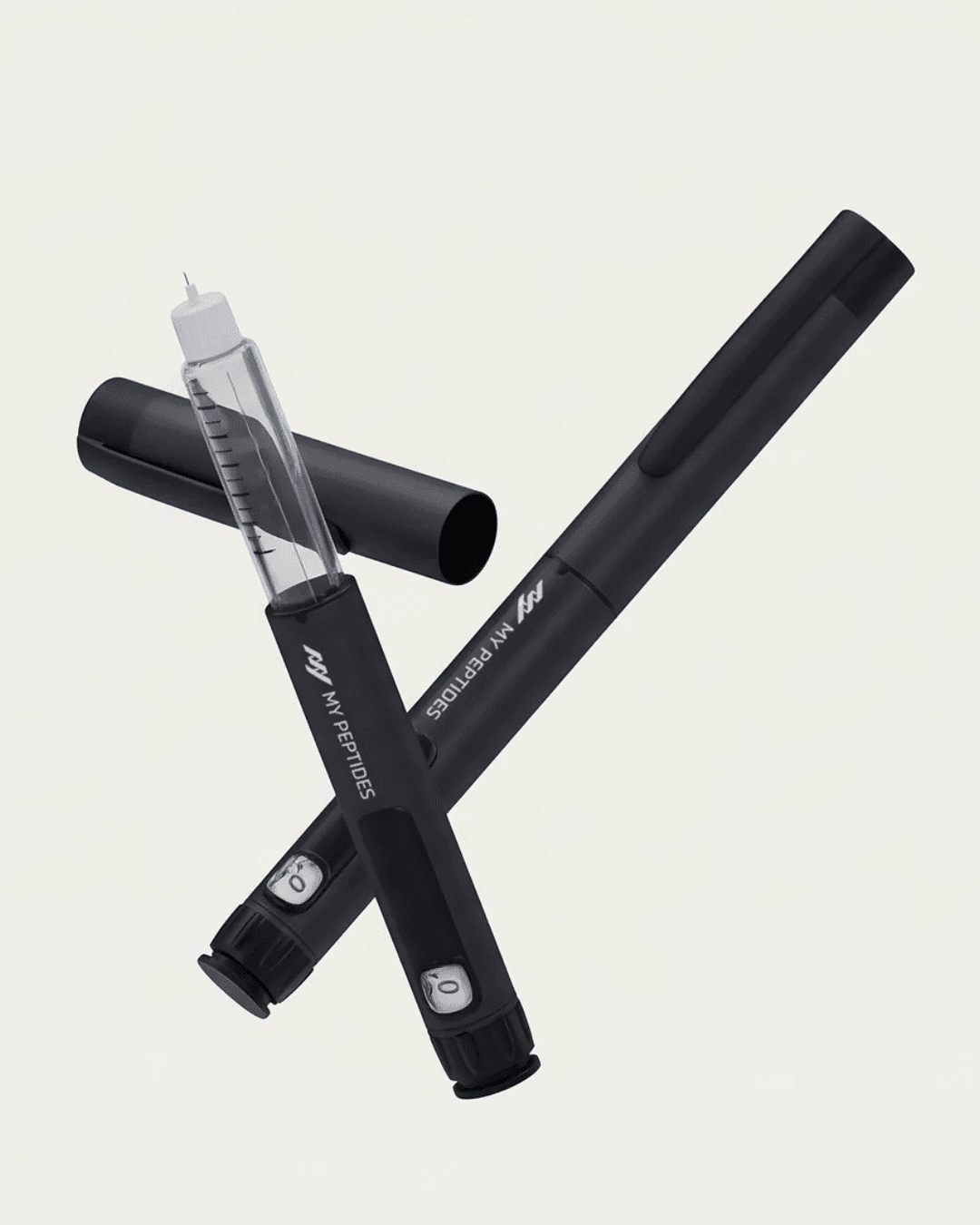
Free Reusable auto-injector pen, worth $50
A reusable pen is added free to your order, automatically.
- Same-day dispatch on orders placed before the daily cut-off.
- Free shipping within the United States over $100, tracked.
- Cold-chain packed: sealed foil pouch, ice packs, plain outer box.
- Batch-specific Certificate of Analysis included.
| Designation | Thymosin β4 active fragment |
| CAS Number | 885340-08-9 |
| Molecular Formula | C₃₈H₆₈N₁₀O₁₄ |
| Molecular Weight | 889.0 g/mol |
| Strength | 20mg |
| Concentration | 6.67 mg/ml |
| Presentation | 3ml Vial |
| Appearance | Clear liquid |
| Purity | ≥99% (HPLC) |
| Storage | Must be kept in a refrigerator at 2°C–8°C for optimal potency. |
| Certificate of Analysis | Batch-specific COA included |
How we ship it
Every pre-mixed vial ships cold from the warehouse serving your region and arrives in a plain box. Refrigerate on arrival at 2–8 °C.
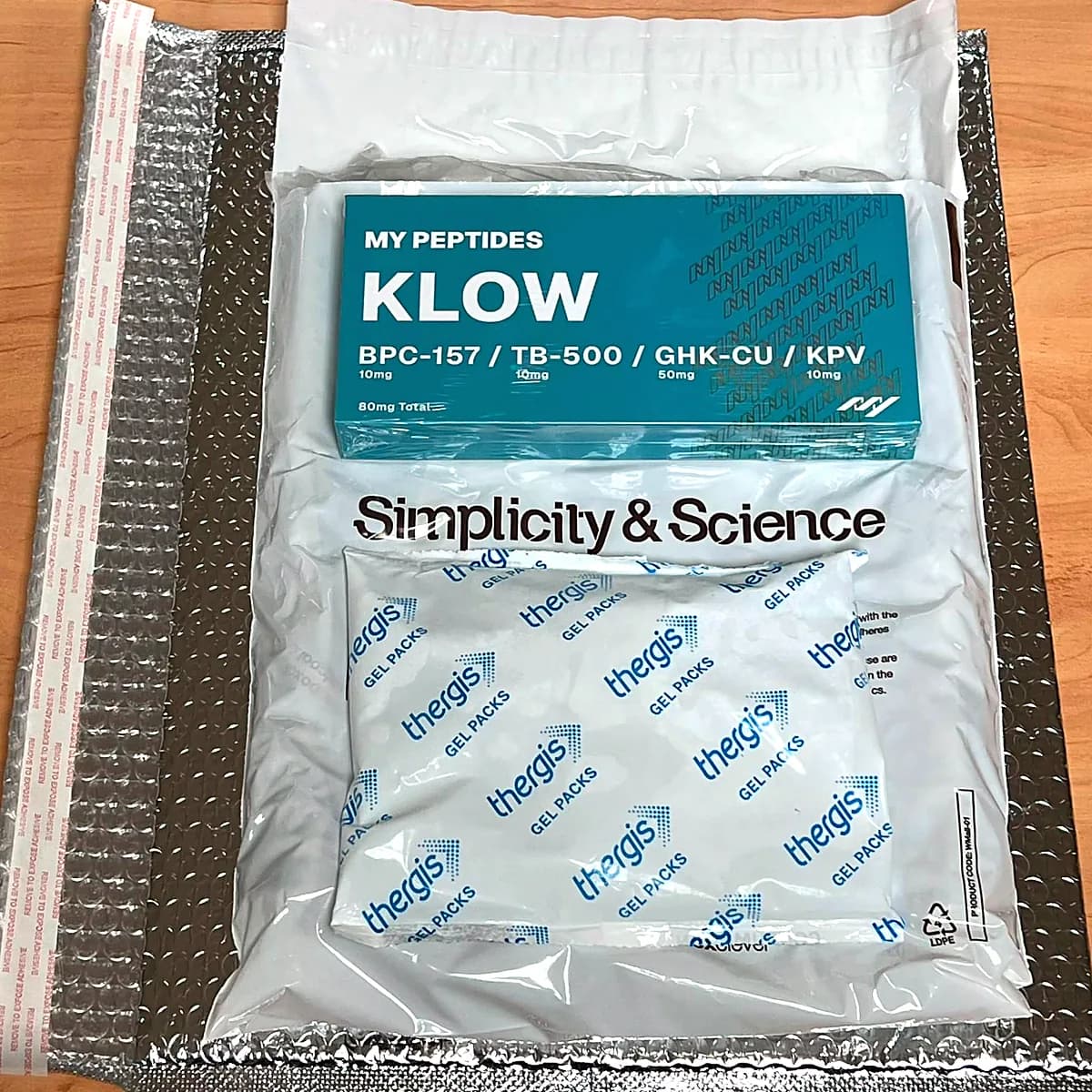
Chilled
Vials travel with frozen gel packs inside a sealed foil pouch, which holds temperature for roughly seven days — far longer than the journey needs, so the cold chain has room to spare.
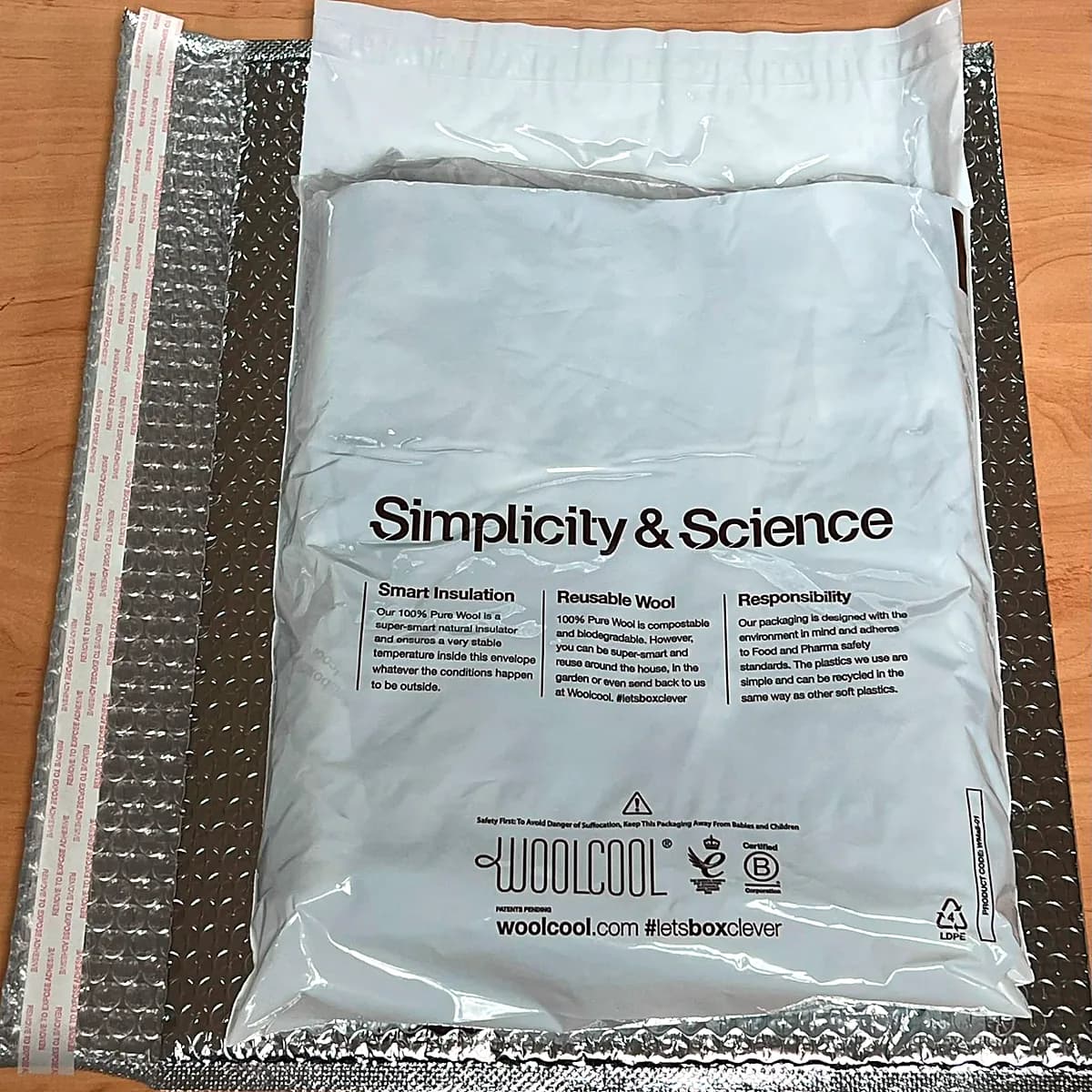
Insulated
The pouch sits inside a wool-lined envelope, so the cold chain survives a normal courier journey.
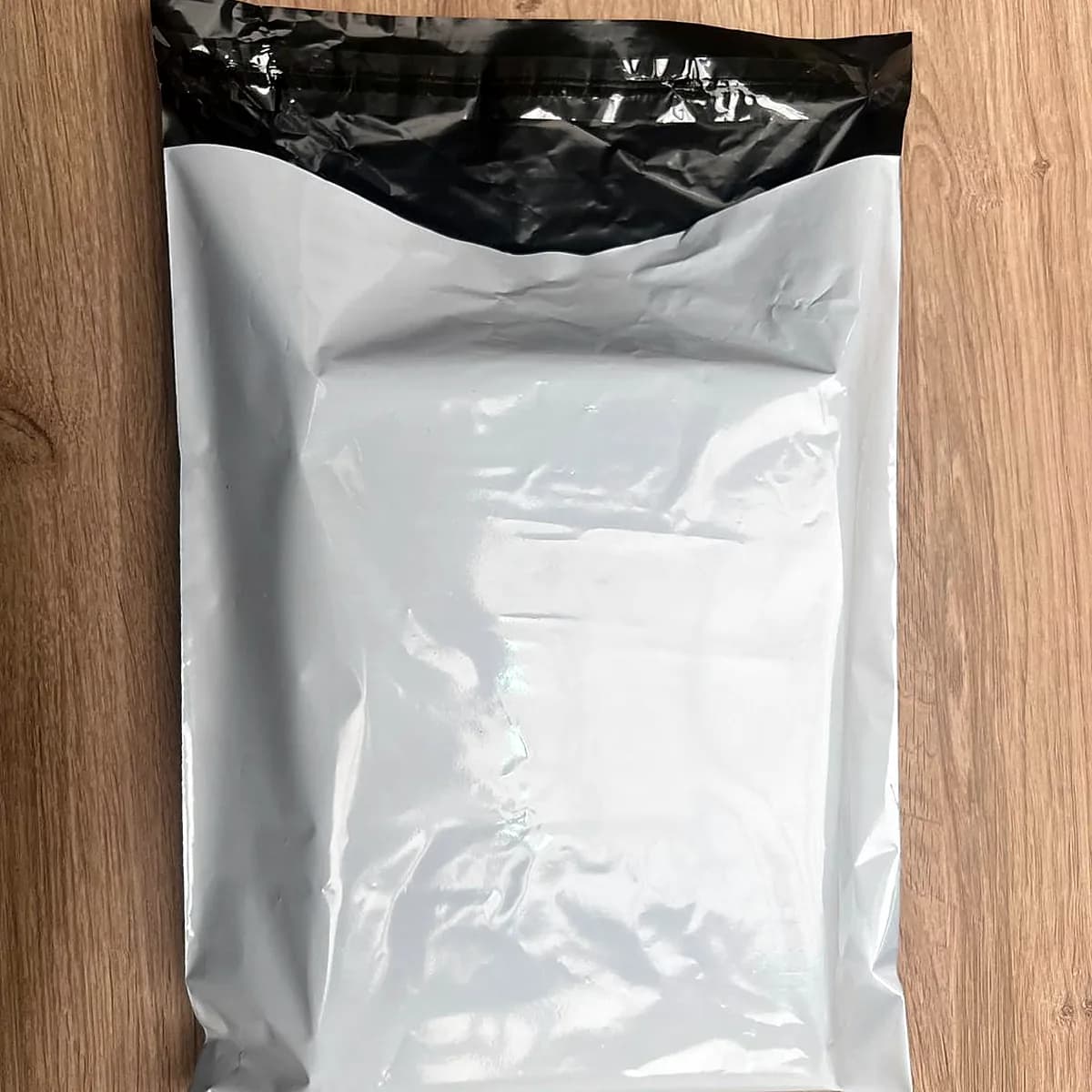
Discreet
Plain outer box with no branding and nothing on the label that names the contents.
Same-day dispatch
Order before the daily cut-off, Monday to Friday.
Free over $100
Within the US: tracked, next business day.
2–8 °C on arrival
Refrigerate as soon as the parcel lands.
TB-500
$200.00 · Qty 1
TB-500: what the fragment is, and how it differs from thymosin beta-4
TB-500 is a synthetic peptide corresponding to an active fragment of thymosin beta-4 (Tβ4) — not the full protein. This distinction is the single most misunderstood thing in the category, and it is the first thing to get straight before comparing vendors or prices.
Research use only. Supplied strictly for in-vitro laboratory research. This page covers composition, chemistry, format, quality documentation and storage. It does not describe dosing, administration, or use in humans or animals, and makes no therapeutic claims.
Fragment, not the whole protein
Thymosin beta-4 is a 43-amino-acid protein whose best-characterised biochemical property is binding G-actin, the monomeric form of actin, through a defined binding region. TB-500 as sold across the research market is a short synthetic peptide reproducing that actin-binding region rather than the intact 43-residue protein.
Practically, that means:
- TB-500 and Tβ4 are not the same item. Full-length recombinant Tβ4 is a different product at a different price, and a vial labelled TB-500 is not it.
- Comparing a TB-500 price against a full-length Tβ4 price is comparing two different molecules.
- A supplier that uses "TB-500" and "thymosin beta-4" interchangeably without stating which one is in the vial has not told you what you are buying.
Ours is supplied pre-mixed as a solution, 20mg per vial, sealed and cold-packed, with a batch Certificate of Analysis. Synthesized in the UK, verified in a US laboratory before each US batch is released.
What the published literature examines
The literature on Tβ4 and its fragments is largely in-vitro and animal work centred on actin sequestration and cell motility. We describe it that way deliberately: it is a body of laboratory research, not a set of established outcomes, and this page draws no conclusions from it. Where a supplier's product page summarises that literature as a list of benefits, treat the page as marketing rather than documentation.
TB-500 compared with BPC-157
| TB-500 | BPC-157 | |
|---|---|---|
| Origin of sequence | Fragment of thymosin beta-4 | Partial fragment of a gastric protein |
| Length | Short synthetic fragment | 15 residues |
| Best-characterised property | G-actin binding | — |
| Relationship | Unrelated molecules, frequently co-formulated |
They are paired in our Wolverine stack and appear together in the KLOW stack. Co-formulation is a convenience for a study that calls for both, and a limitation for one that does not — a blend cannot be varied one component at a time.
Format, for a US laboratory
The US market is dominated by lyophilized powder. Our solution format removes the reconstitution step, which is where concentration most often drifts in practice, at the cost of requiring 2–8°C storage and cold-chain handling in transit. US orders ship from our US warehouse, so that transit leg is short. Weigh it against your own storage before ordering.
Verifying a TB-500 vial
- Does the listing state fragment or full-length protein? If not, ask before buying.
- Is there a batch-specific COA, published, with an HPLC purity figure and the method named?
- Does mass spectrometry on that COA correspond to the fragment being sold?
- Is the concentration stated for the solution as supplied?
Ours are published per batch in the COA library.
Storage and anti-doping status
Refrigerate at 2–8°C, sealed, out of light, do not freeze. TB-500 appears on the World Anti-Doping Agency prohibited list — stated as a fact for anyone operating under those rules, not as guidance.
TB-500: research FAQs
- What is TB-500?
- TB-500 is a short synthetic peptide modeled on the actin-binding stretch of thymosin beta-4. The version sold here is the seven-residue acetylated fragment Ac-LKKTETQ, which corresponds to positions 17 to 23 of the parent protein. It is produced by chemical synthesis and offered as a reference compound for in-vitro laboratory research, not for human or veterinary use.
- Is TB-500 the same thing as thymosin beta-4?
- No. Thymosin beta-4 is a 43-amino-acid protein of around 4.9 kDa. TB-500 reproduces just seven of those residues, the LKKTETQ motif, with an acetyl cap on the N-terminus, and has a mass under 900 Da, so mass spectrometry tells the two apart at a glance. Full-length thymosin beta-4 is a different product at a different price, and papers on the whole protein are not automatically papers on the fragment.
- What are the formula and mass of TB-500?
- The acetylated fragment Ac-Leu-Lys-Lys-Thr-Glu-Thr-Gln has the molecular formula C38H68N10O14 and an average molecular mass of about 889.0 g/mol, with CAS registry number 885340-08-9. Those figures describe the seven-residue fragment only. A listing that quotes a mass of several thousand daltons is describing the full-length protein, which is a different material from the one sold here.
- How does TB-500 compare with BPC-157?
- Different origins, different lengths, different chemistry. TB-500 is a seven-residue piece of thymosin beta-4, best characterized in the literature for binding G-actin, the monomeric form of actin. BPC-157 is a fifteen-residue sequence linked to a gastric protein. The two are often co-formulated, as in the Wolverine, Glow and KLOW stacks, but one cannot substitute for the other in a study that names a specific compound.
- What do laboratories study TB-500 for?
- Most published work on thymosin beta-4 and its fragments concerns actin: how the binding motif sequesters G-actin, and how that relates to cytoskeletal organization and cell motility in cultured cells and animal models. That literature is preclinical, its results vary with model and concentration, and it supports no conclusions about people. It is mentioned here only as context for what the compound is used to investigate.
- Is TB-500 FDA-approved?
- No. The FDA has not approved TB-500 as a drug and has not evaluated the material on this page. We offer it solely as an in-vitro research chemical, and it is not for human or veterinary use. Separately, TB-500 appears on the World Anti-Doping Agency Prohibited List, which is relevant to anyone whose work falls under anti-doping rules.
- Does TB-500 ship as a powder or a solution?
- As a solution. Our TB-500 is pre-mixed and sealed in its vial, so no reconstitution step stands between delivery and the bench, and the batch certificate records a clear liquid. Most TB-500 offered in the US is lyophilized powder, which is more forgiving of temperature in transit. The trade-off for a solution is that it needs refrigeration at 2 to 8°C and must never be frozen.
- How is TB-500 shipped to US labs, and is there a certificate?
- It travels cold-packed from the warehouse that serves the United States on a tracked service, arriving across the US the next business day. Pricing is in US dollars, payable by Visa, Mastercard or Apple Pay. Every batch has a Certificate of Analysis giving its HPLC purity, published in the COA library on this site so you can check it before you buy.
Research guides
Disclaimer: Products sold on this website are intended for research and laboratory use only. They are not intended for human or animal consumption. Purchasers must be at least 18 years of age. By using this site, you agree to our Terms & Conditions.