

Glow Stack (BPC-157, TB-500 & GHK-Cu) | 70mg
Glow Stack
Glow Blend 70 mg is a multi‑peptide research formulation presented as a lyophilised vial for controlled analytical and in‑vitro experimentation. It contains three established research peptides — BPC‑157, TB‑500, and GHK‑Cu — enabling researchers to study combined peptide activity, cross‑pathway interactions, and structural or signalling behaviour within multi‑compound experimental systems. Each production batch undergoes internal purity verification to ensure suitability for regulated laboratory environments. The formulation brings together peptides with distinct mechanistic profiles: BPC‑157 for peptide‑mediated signalling studies, TB‑500 for actin‑related and cytoskeletal research, and GHK‑Cu for copper‑dependent biochemical and regulatory pathway investigation. When used in combination, these compounds support exploration of convergent signalling responses, matrix‑associated processes, and peptide–metal interactions under controlled laboratory conditions.
Total content
70mg
Purity
≥99% HPLC
COA
Included
- Same-day dispatch on orders placed before the daily cut-off.
- Free shipping over $100, tracked.
- Cold-chain packed: sealed foil pouch, ice packs, plain outer box.
- Batch-specific Certificate of Analysis included.
Why this stack
Three complementary research peptides — BPC-157, TB-500 and GHK-Cu — pre-combined in a single 70mg vial. One order, one HPLC-verified set, ready for combined-activity and cross-pathway studies without sourcing and reconstituting each compound separately.
| Total content | 70mg |
| Presentation | Vial , Metal Pen , Needles |
| Purity | ≥99% (HPLC) |
| Storage | Must be kept in a refrigerator at 2°C–8°C for optimal potency. |
| Certificate of Analysis | Batch-specific COA included |
How we ship it
Every pre-mixed vial ships cold from the warehouse serving your region and arrives in a plain box. Refrigerate on arrival at 2–8 °C.
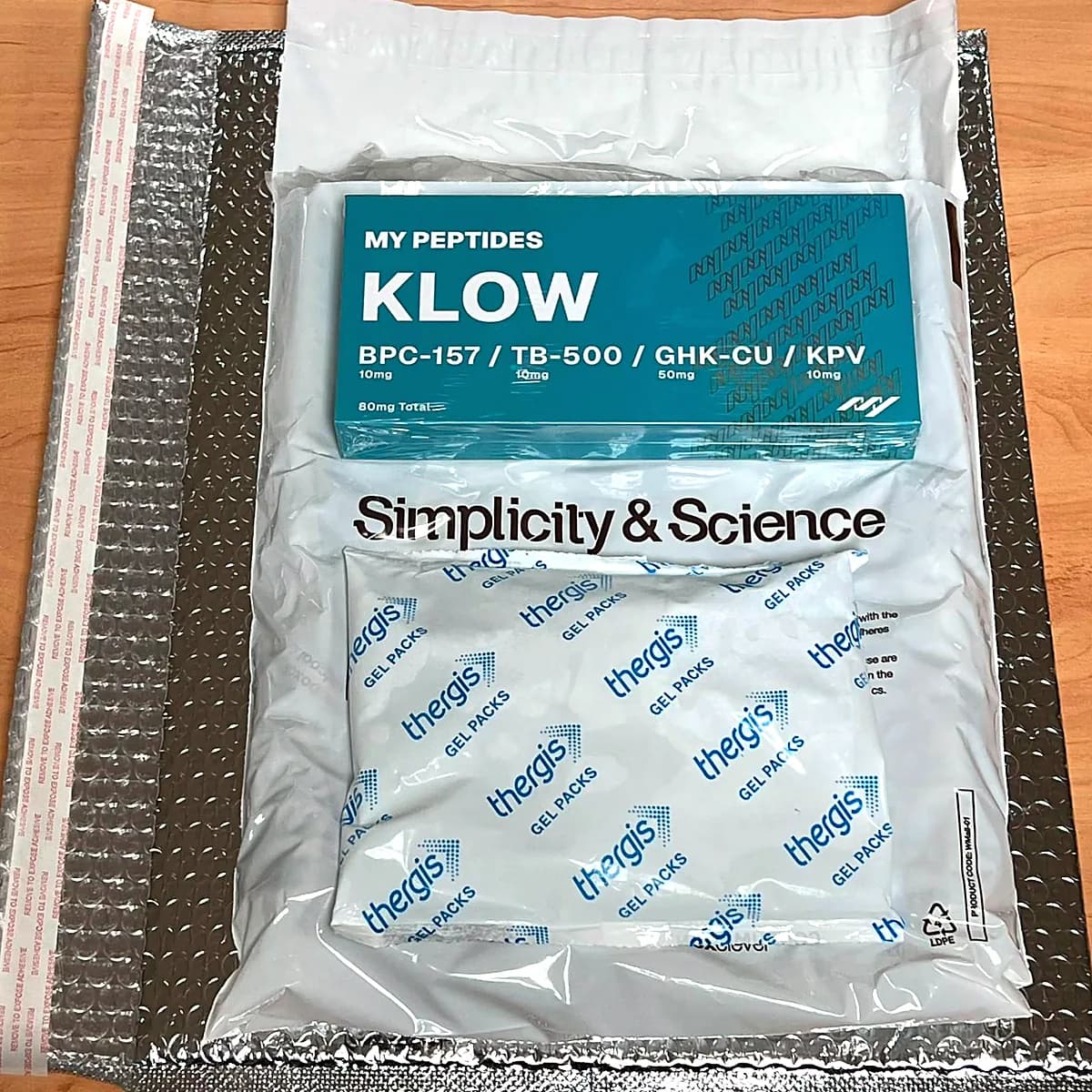
Chilled
Vials travel with frozen gel packs inside a sealed foil pouch, which holds temperature for roughly seven days — far longer than the journey needs, so the cold chain has room to spare.
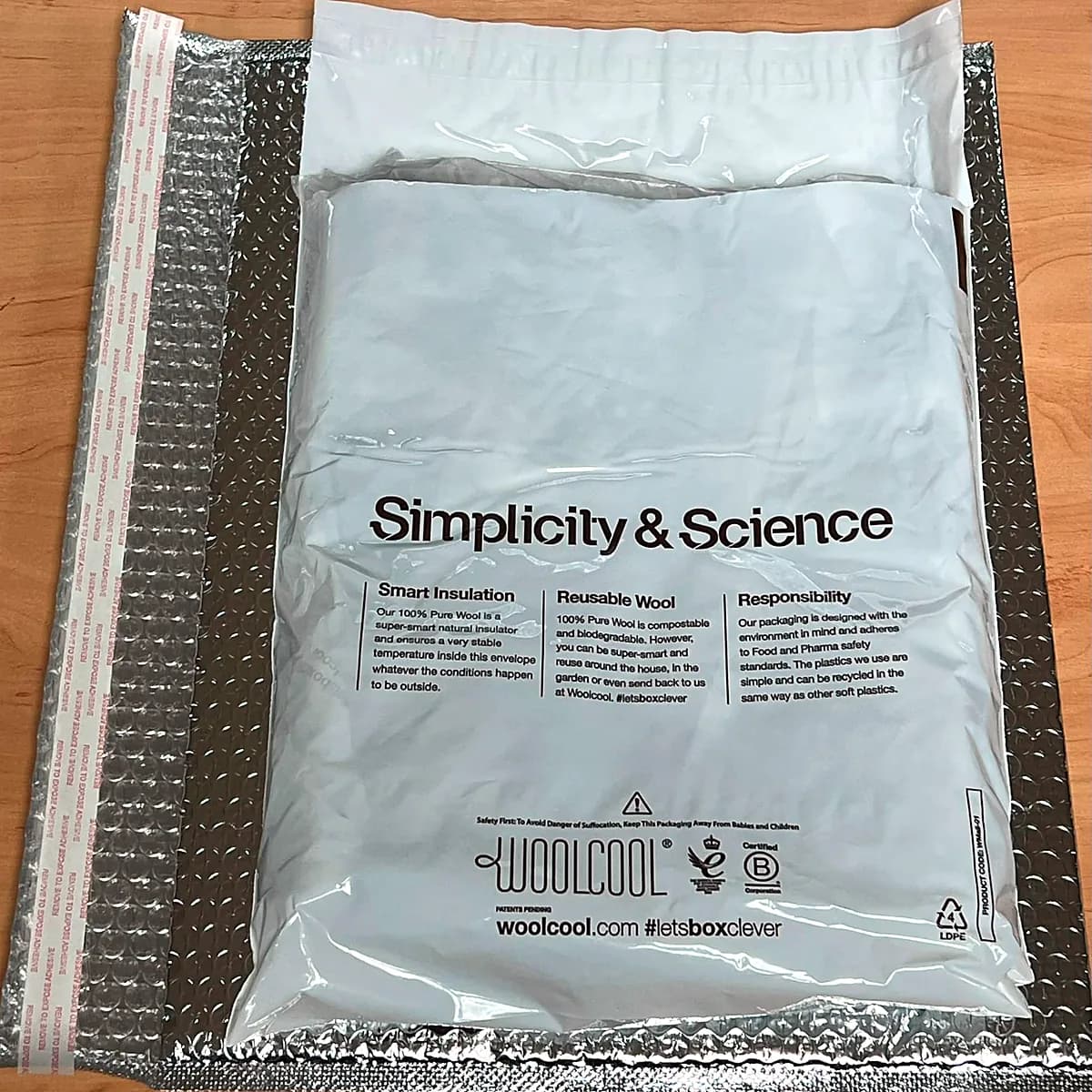
Insulated
The pouch sits inside a wool-lined envelope, so the cold chain survives a normal courier journey.
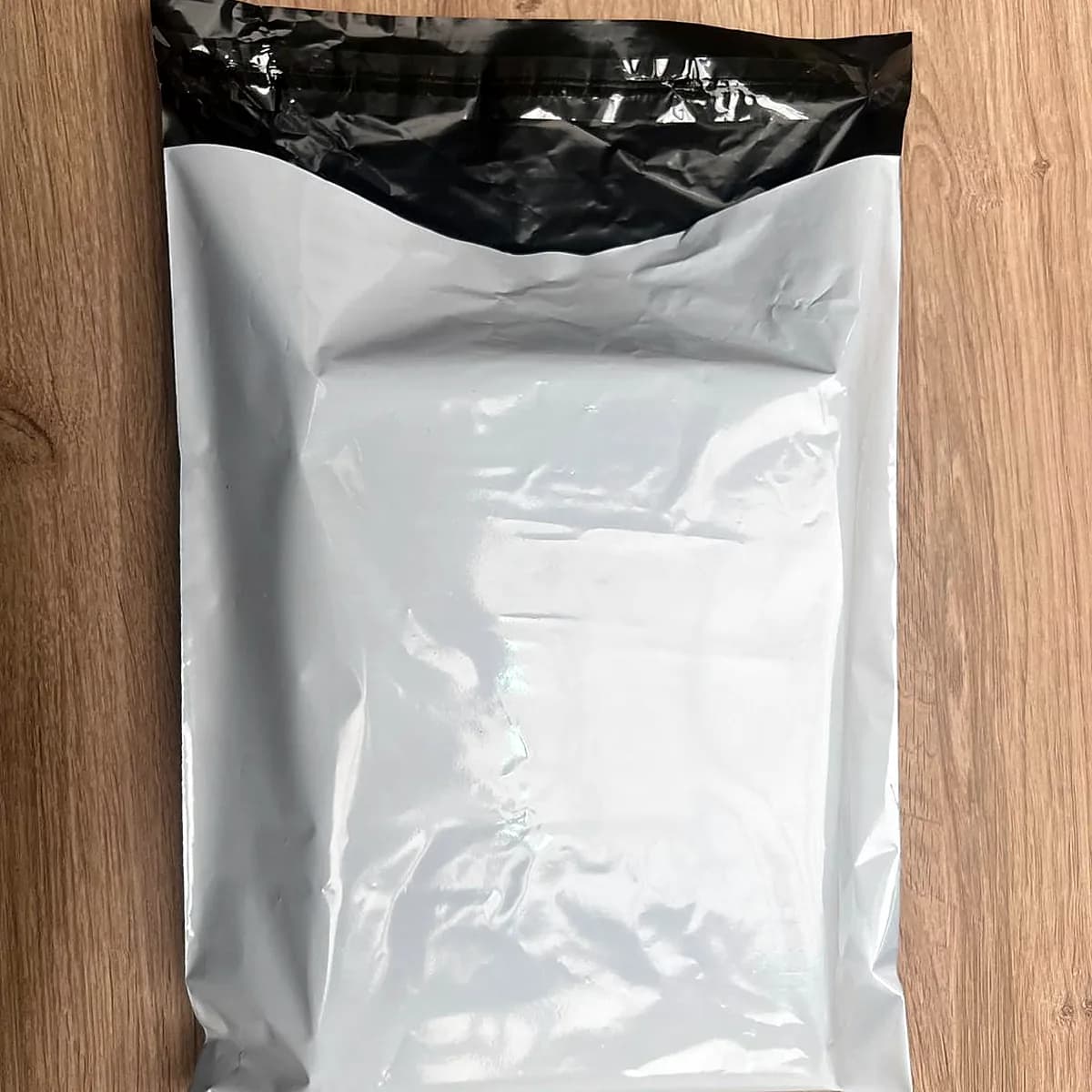
Discreet
Plain outer box with no branding and nothing on the label that names the contents.
Same-day dispatch
Order before the daily cut-off, Monday to Friday.
Free over $100
Tracked, next business day.
2–8 °C on arrival
Refrigerate as soon as the parcel lands.
Glow Stack (BPC-157, TB-500, and GHK-CU)
$275.00 · Qty 1
Glow Stack (BPC-157 + TB-500 + GHK-Cu): composition, format trade-offs and verification for US laboratories
Glow Stack is a co-formulated research blend of three distinct synthetic compounds — BPC-157, TB-500 and GHK-Cu — supplied as a single 70mg vial for in-vitro laboratory work.
${RUO_NOTE}
What is actually in the vial
The name describes a formulation, not a molecule. Three chemically unrelated entities share one container, and each behaves differently in analysis, in solution and on a certificate.
| Component | Chemical class | Identity notes that matter at receiving |
|---|---|---|
| BPC-157 | 15-residue synthetic peptide | The sequence corresponds to a partial fragment of a gastric protein. Confirm that the certificate states an observed mass against a theoretical mass for this peptide specifically, rather than an aggregate figure for the blend. |
| TB-500 | Synthetic fragment of thymosin beta-4, characterized by G-actin binding | It is not the full 43-residue thymosin beta-4 protein. The two names are frequently used interchangeably in product listings. If your protocol specifies full-length TB4, this is not that material. |
| GHK-Cu | Copper(II) complex of glycyl-L-histidyl-L-lysine | A tripeptide plus a coordinated copper ion. The copper is part of the article, not a contaminant, and the peptide-to-copper relationship is what makes the complex the complex. |
Because three species coexist, nothing about the blend can be inferred from single-peptide literature or single-peptide documentation. Treat it as its own article with its own lot history.
Where Glow sits in the blend family
Three overlapping stack names share the same catalog lineage, and the difference between them is purely additive:
| Blend | Composition | Difference from Glow |
|---|---|---|
| Wolverine | BPC-157 + TB-500 | No copper tripeptide |
| Glow | BPC-157 + TB-500 + GHK-Cu | — |
| KLOW | BPC-157 + TB-500 + GHK-Cu + KPV | Adds KPV |
Nothing else distinguishes them. Single-compound vials are listed separately as BPC-157, TB-500 and GHK-Cu.
The blue tell: a free identity check
A correctly complexed GHK-Cu solution is visibly blue. Copper(II) held by the glycine alpha-amino nitrogen, the deprotonated amide nitrogen and the histidine imidazole nitrogen of the tripeptide absorbs in the red end of the visible range, and the eye sees what is left.
This check applies to the material in solution, whichever way the product ships: to the vial as received if it arrives as a liquid, or to the solution after dissolution if it arrives as a dry cake. Either way, a Glow-labeled solution that is colorless is telling you that something in the formulation is not what the label says.
Read the limits of that check honestly. Color confirms that copper is present and coordinated. It does not report how much, it does not report purity, and it says nothing at all about the BPC-157 or TB-500 fractions sharing the vial. It rules a batch out; it never rules one in.
Pre-mixed solution versus lyophilized vial
Peptide articles reach a laboratory either as a lyophilized cake for dissolution on the bench or already in solution. Neither format is inherently better; they fail in different places.
| Consideration | Lyophilized cake | Pre-mixed solution |
|---|---|---|
| Transit robustness | Dry solids tolerate temperature excursion better | Liquid carries its full thermal history across the shipping lane |
| Preparation | Requires diluent addition and a dissolution step per vial | Fewer preparation steps; no per-vial reconstitution variance |
| Visual QC on arrival | Cake appearance, collapse and residual moisture are the tells | Clarity, particulates and color are visible immediately |
| Working shelf | Generally longer as supplied | Generally shorter once in solution |
| Copper chemistry | Copper coordination is preserved dry | Copper complexes in solution are more exposed to light and oxidation over time |
Confirm the format before you plan around it. Catalog banners, category pages and third-party listings describe stack products inconsistently, and the format stated for this item is the only one that governs what arrives. Read the product listing itself, and if it is ambiguous, ask before ordering rather than after.
What a co-formulation buys you, and what it costs
The case for a blend is straightforward. If your study design calls for the three compounds together, one vial means one lot number, one storage condition, one preparation event and one set of handling variables instead of three. Fewer preparation steps means fewer places for technique to introduce variance between replicates.
The costs are equally concrete, and they are the reason to consider singles instead:
- You cannot vary one component independently. Any ratio question, or any control that omits one component, requires separate vials.
- The certificate characterizes the co-formulation, not each peptide separately. A single purity figure for a three-peptide mixture is a different claim from three individual purity figures, and co-elution in a mixed chromatogram can hide what a single-analyte run would show.
- Attribution is impossible. If a result looks anomalous, a blend gives you no way to say which component the anomaly belongs to.
If your protocol needs per-peptide certification, buy the singles and combine them yourself under your own documentation.
Reading the certificate for a blend
For mixtures, apply a stricter standard than you would to a single peptide. Our documentation is on the COA page. Whoever you buy from, check:
- Lot-specific, not representative. The lot on the certificate must match the lot printed on the vial you received. A "sample COA" is a template.
- Identity per component. Mass spectrometry should show an observed mass against a theoretical mass for each peptide present, not one aggregate statement.
- Chromatograms, not just numbers. A purity percentage without the trace is unverifiable. For a blend you want to see the peaks resolved and assigned.
- Copper accounted for. GHK-Cu content should be reported in a way that reflects the complex, not the free tripeptide.
- Named laboratory, dated, with method. Analytical method, column, and the testing laboratory's identity. An unsigned PDF with no method section is decoration.
- Consistency across lots. Ask for two certificates from different lots. Batch-to-batch reproducibility is the thing that actually predicts your next order.
Storage, handling and origin
Copper complexes are more sensitive to light and oxidative conditions than plain peptides, so opaque or shielded storage and minimal headspace exposure matter more here than for a standard single-peptide vial. Repeated freeze-thaw is a known source of degradation in peptide solutions generally; aliquoting into single-use portions avoids it. Whenever the material is in solution, inspect for particulates and for loss of the blue color before logging it into inventory.
Material in this catalog is synthesized in the UK and verified in US laboratories. Order the smallest quantity that lets you run your own identity and purity confirmation first, then scale.
Regulatory context
This is a research-use-only article, supplied for in-vitro laboratory work. The published work on all three compounds is a body of in-vitro and animal laboratory research under examination, and no conclusions from it are drawn or implied here.
For people operating under anti-doping rules: BPC-157 and TB-500 both appear on the WADA Prohibited List.
Glow Stack: research FAQs
- What is Glow Stack?
- Glow Stack is a multi-peptide research set containing three established synthetic peptides: BPC-157, TB-500 and GHK-Cu. These are short-chain amino-acid sequences, with GHK-Cu being a copper-binding tripeptide, supplied together for controlled analytical and in-vitro experimentation. It is intended strictly for in-vitro laboratory research use only.
- What is Glow Stack studied for in research?
- Each peptide has been examined separately in preclinical and cell-based laboratory research: BPC-157 in peptide signalling studies, TB-500 (a thymosin beta-4 fragment) in actin-binding and cytoskeletal research, and GHK-Cu in copper-dependent biochemical and regulatory pathway research. They are supplied together so that researchers can investigate each peptide individually and any peptide-metal interactions within a single in-vitro experimental system. These are laboratory research observations only, are not established human or veterinary effects, and no combined effect is claimed.
- Is Glow Stack legal to buy?
- Glow Stack is legal to buy and possess for laboratory research purposes. It is not a licensed medicine and cannot be sold for human or veterinary consumption, and every vial ships labelled for in-vitro research use only. Purchasers are responsible for handling and storing it in accordance with applicable laboratory regulations.
- What purity is your Glow Stack, and is it lab-tested?
- Each peptide in the Glow Stack is HPLC-verified to 99%+ purity. The figure printed on each batch's Certificate of Analysis is the actual value recorded in the laboratory for that batch, not a generic marketing claim. Every set is synthesised and dispatched from our own UK facility.
- Does Glow Stack come with a Certificate of Analysis?
- Yes, a batch-specific Certificate of Analysis (COA) ships with every order. You can also view sample COAs in our COA library before purchasing to see the format and the recorded test data. This documents the HPLC-verified purity for the batch you receive.
- What compounds are in the Glow Stack, and why are they grouped together for research?
- The set contains three peptides: BPC-157 (10 mg), TB-500 (10 mg) and GHK-Cu (50 mg). They are grouped purely as a research convenience so that researchers can study individual versus separate peptide activity, cross-pathway interactions and compatibility within multi-compound experimental systems. The grouping makes no combined-effect claim and is supplied strictly for in-vitro laboratory research use only.
Research guides
- BPC-157: what the pentadecapeptide is and what studies examine
- TB-500: the thymosin beta-4 fragment and what the research covers
- What GHK-Cu peptide is, and what the research examines
- What is the Glow Stack?
- Pre-mixed peptides vs lyophilized powder, and why it matters
- Storing research peptides so they reach the assay intact
Disclaimer: Products sold on this website are intended for research and laboratory use only. They are not intended for human or animal consumption. Purchasers must be at least 18 years of age. By using this site, you agree to our Terms & Conditions.